For years, the creator economy followed a relatively simple formula: build an audience, create content, attract brands, and earn from sponsorships or platform advertising. But as more creators turn their online presence into full-time businesses, that model is beginning to look incomplete.
The question is no longer just “How can creators get more views?” It is increasingly “How can creators turn the audience they already have into a sustainable business?”
That shift is helping creator merch move beyond its old image of T-shirts, hoodies, and novelty products. In 2026, merchandise is becoming a more strategic part of the creator business model—one that can connect audience, identity, products, and revenue in a way that sponsorships alone cannot. Recent creator-economy coverage continues to highlight income diversification, while newer merch research describes physical products as an increasingly controllable revenue stream built around fan purchase intent rather than simply follower count.
From Audience Attention to Audience Ownership
The biggest reason creator merchandise is gaining momentum is simple: attention does not always equal ownership.
A creator can spend months building an audience on YouTube, Instagram, TikTok, or another platform, but the relationship is still partly dependent on algorithms, advertising rates, platform policies, and brand budgets. Sponsorships can be valuable, but they are usually deal-by-deal. Ad revenue can scale, but it is tied to content performance.
Merch creates another path.
Instead of asking a brand to pay for access to an audience, creators can give that audience something they genuinely want to own.
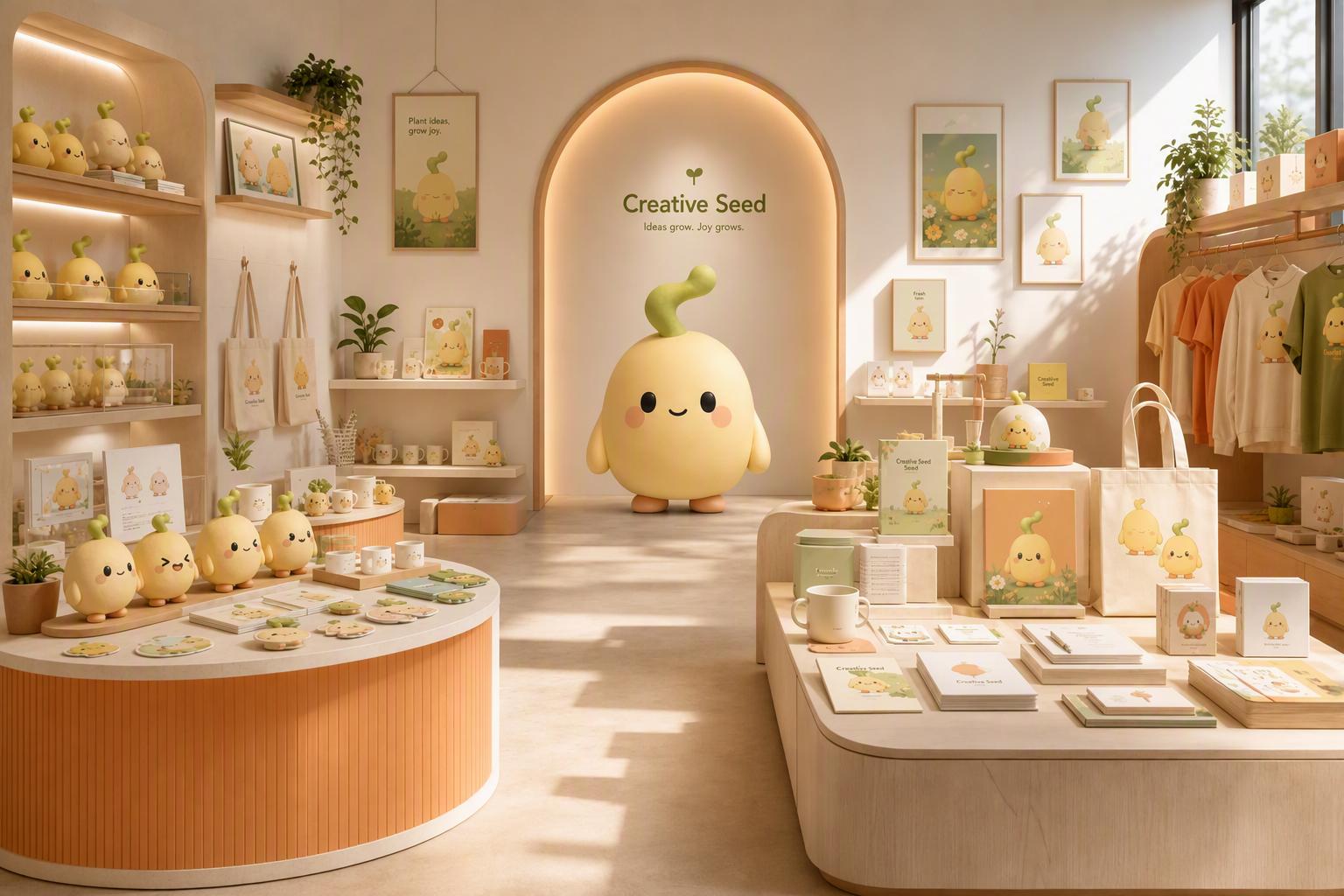
A favorite phrase becomes a poster. A visual style becomes a hoodie. An illustration becomes a phone case. A recognizable character becomes a collection. A community inside joke becomes a product that fans immediately understand. That changes the relationship from “I follow this creator” to “I want a piece of this creator’s world.”
And that distinction matters.
Merch Is No Longer Just “Creator Swag”
The old idea of merch was often straightforward: put a logo on a T-shirt and sell it to the biggest fans.
Today's creator merchandise can be much more intentional.
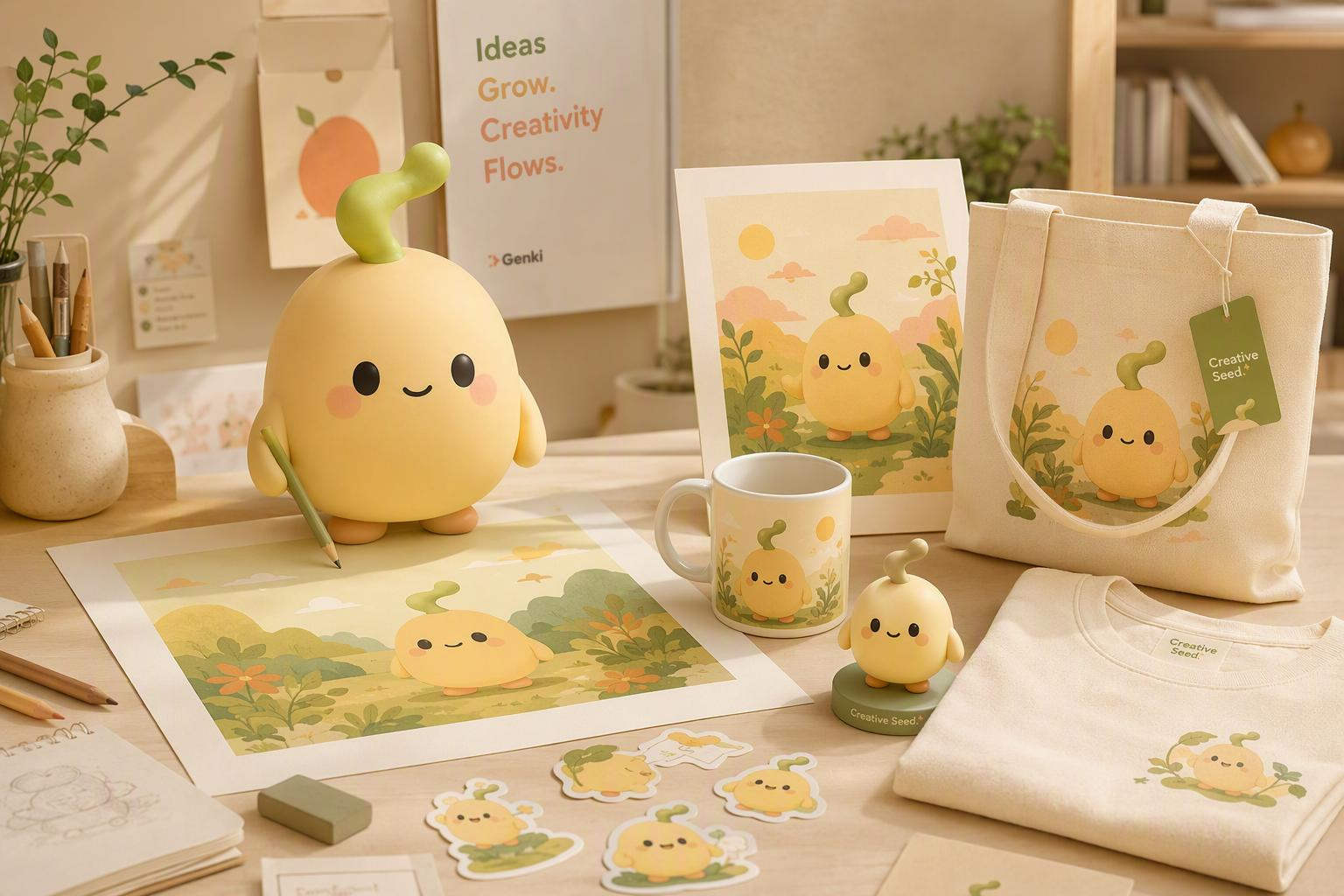
A creator's visual identity can become a product collection. Their artwork can become wall art. Their photography can become prints. Their recurring content themes can inspire accessories, stationery, apparel, or home products. Even a specific moment from a creator's community can become a limited product drop.
This is why creator merch should not be treated simply as another product category. It is increasingly a form of brand extension.
The best merchandise answers a simple question: “What would this audience actually be excited to own?”
Recent 2026 merch research also points toward broader product catalogs, including wall art, personalized products, home items, and collector-oriented products alongside traditional apparel. That creates opportunities for creators who do not fit the traditional “merch creator” stereotype.
A photographer does not need to sell a hoodie. An illustrator does not need to print a logo. A beauty creator does not have to build an apparel brand.
Their content itself can become the foundation of the product.
Why Merch Makes Sense as a New Revenue Stream
The real attraction of creator merchandise is not that it replaces sponsorships. It is that it gives creators another layer of income that can work alongside them.
Think about a creator's revenue ecosystem.
Brand deals can provide high-value campaigns. Affiliate marketing can generate commissions from recommendations. Memberships can create recurring income. Digital products can monetize expertise.
Merch adds something different: a physical product that represents the creator's brand and gives fans a direct way to support it.
That makes merchandise particularly interesting for creators with highly engaged communities.
A creator with millions of passive viewers is not automatically guaranteed a successful merch business. A smaller creator with a highly connected audience may have stronger purchase intent. In other words, audience depth can matter more than audience size.
That is one reason the conversation around creator monetization is moving toward diversification. Creators are increasingly treating themselves less like individual content producers and more like small businesses with multiple revenue streams.
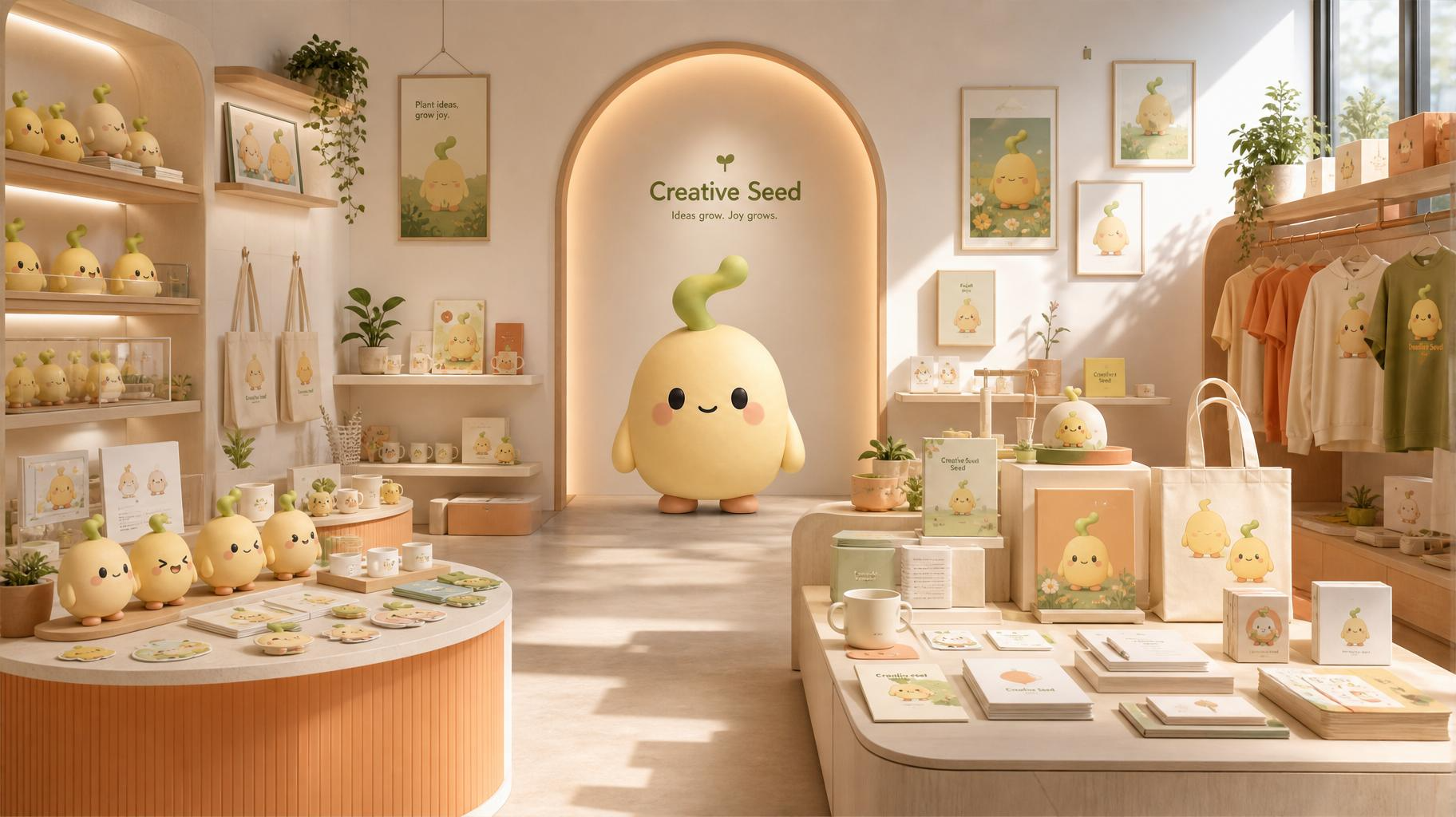
The Rise of the Creator as a Product Brand
There is another important shift happening at the same time: creators are becoming brands in their own right.
A successful creator already has many of the ingredients a traditional product brand spends years building—an identifiable visual language, a recognizable voice, a community, and an audience that trusts their recommendations.
Merch simply gives those intangible assets a physical form. This is where IP ownership becomes especially important.
If a creator develops an original illustration, character, phrase, artwork, or visual concept, turning it into merchandise can extend the life of that creative asset beyond a single social post.
One piece of content might disappear from a feed within days. A product based on that creative idea can remain available for months—or become part of a larger collection.
The creator is no longer only producing content. They are building creative assets that can become products.
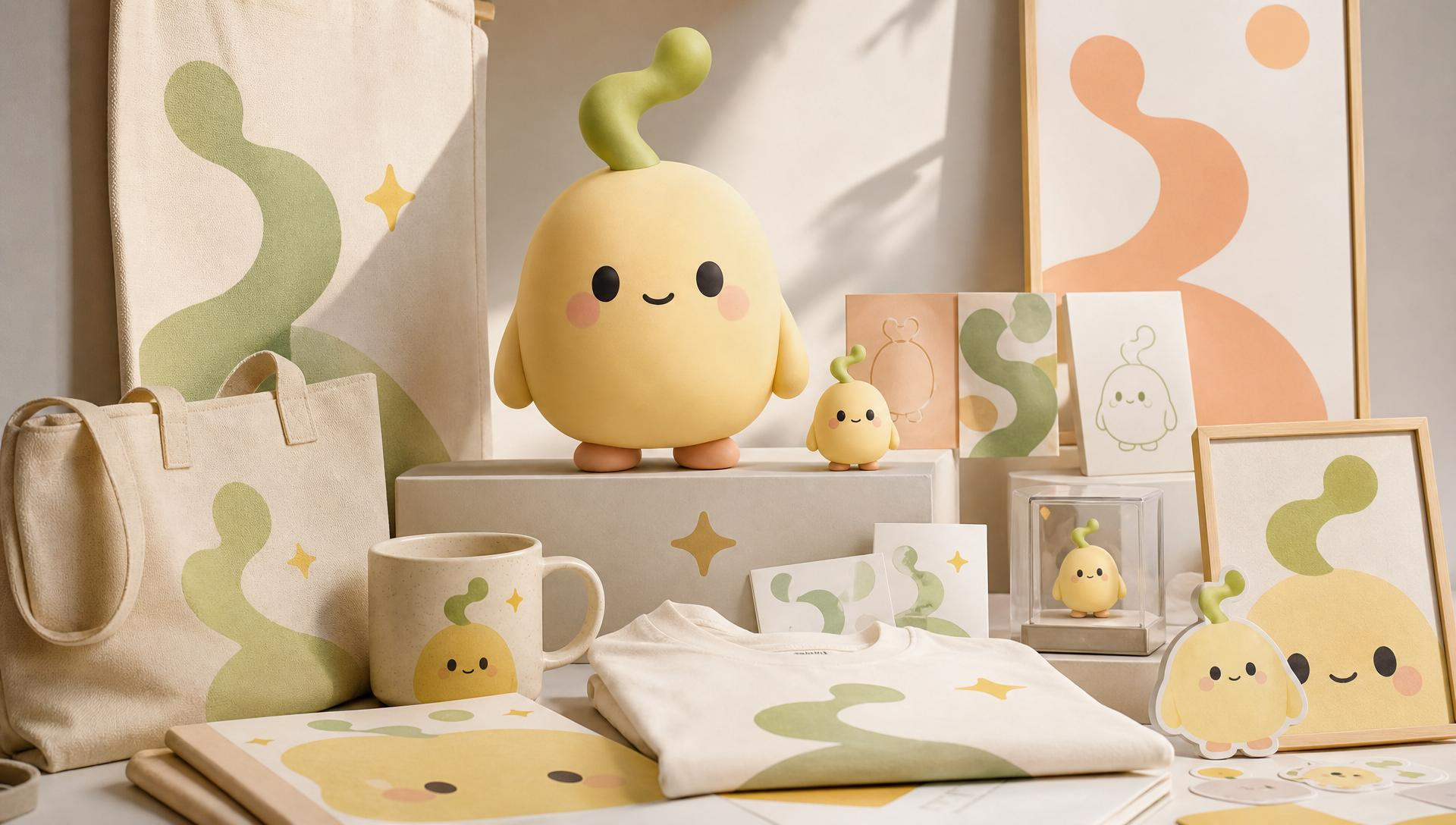
AI Is Making the Productization Process Easier
Creating merchandise used to involve a surprisingly complicated chain: designing products, preparing files, finding manufacturers, managing inventory, setting up a storefront, coordinating fulfillment, and handling customer orders.
That complexity has historically discouraged many creators from experimenting with physical products.
AI and creator-commerce platforms are changing that process.
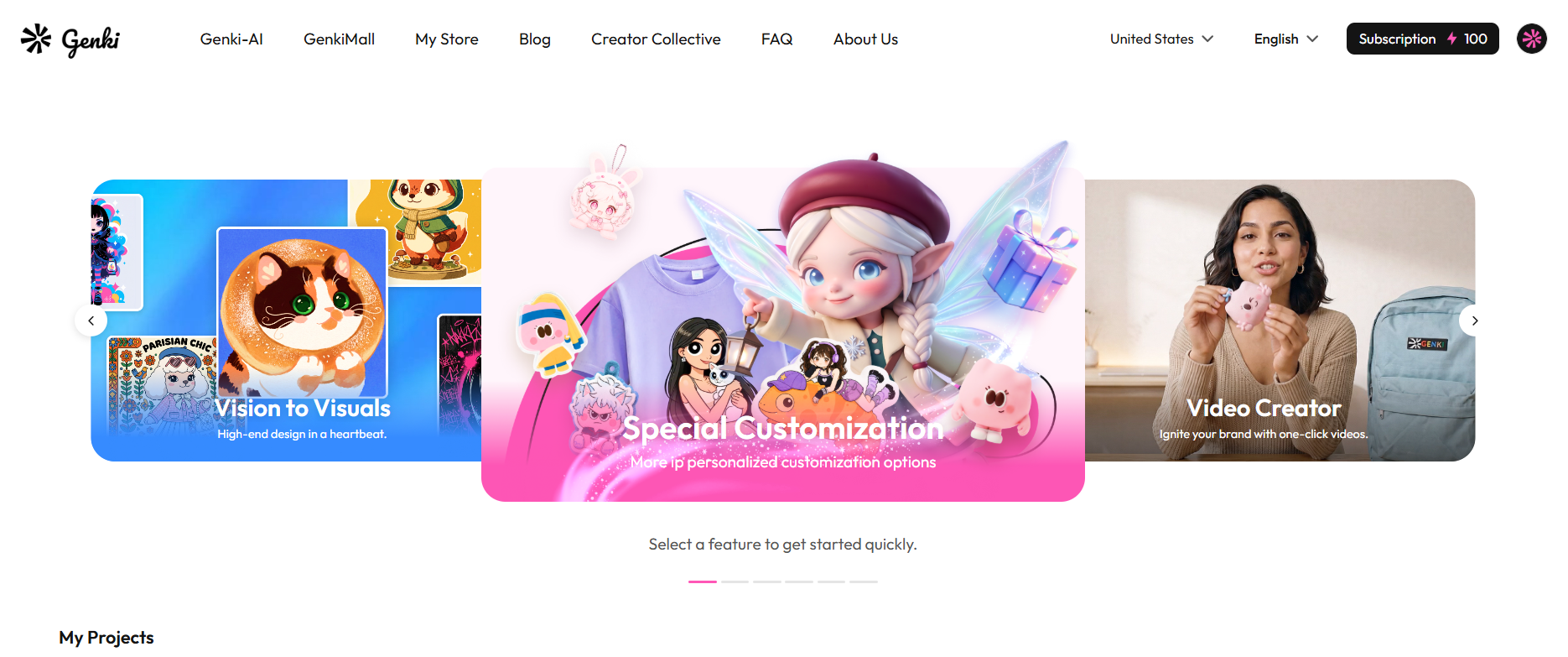
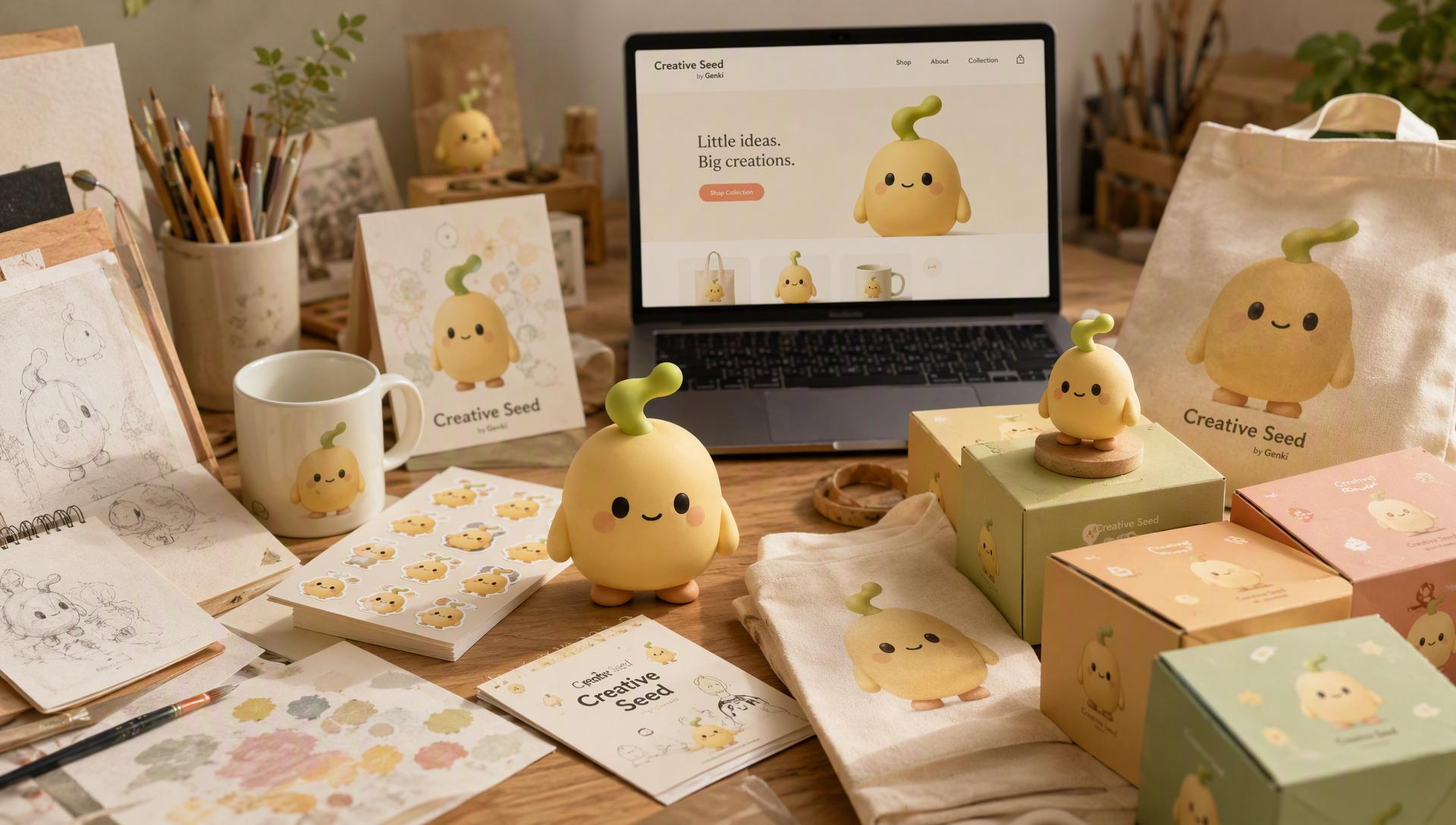
With Genki, creators can move from an original creative idea toward product-ready visuals and merchandise more efficiently, while building a storefront around their own content and brand. Instead of treating merchandise as a completely separate business, creators can connect their creative workflow with product creation and commerce.
That matters because experimentation is essential.
Creators do not necessarily need to launch twenty products at once. They can start with a strong visual concept, test which products resonate with their audience, and gradually build a collection around what people actually want.
The goal is not to create more merch.
It is to create more relevant merch.
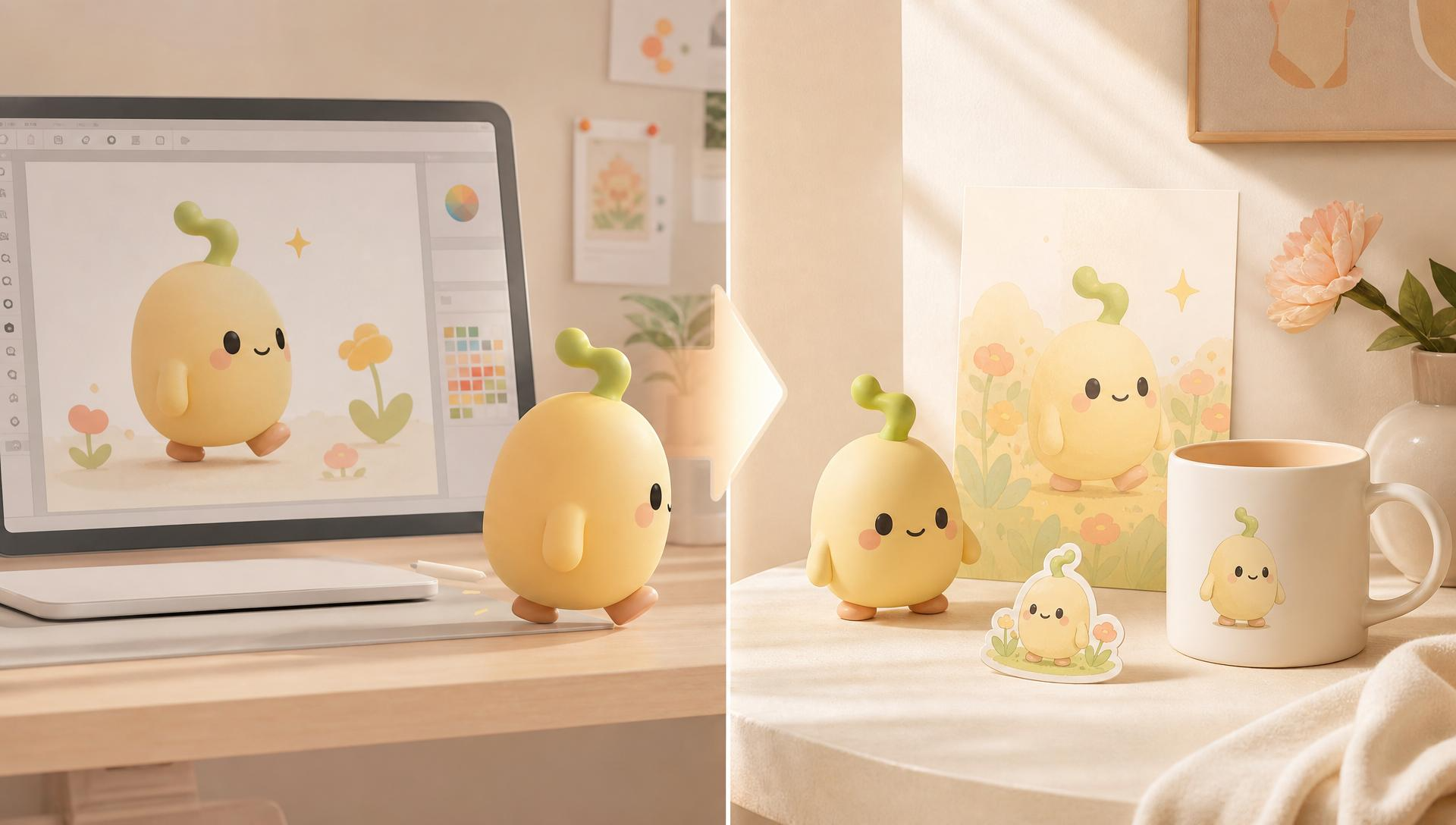
The Future of Creator Merch Is About Meaning
The strongest creator products will probably not be the ones with the biggest logos. They will be the ones that make fans feel something.
A product can represent belonging. It can reference a shared joke. It can celebrate a milestone. It can showcase a creator's artistic identity. It can even allow a fan to bring a small part of an online community into the physical world.
That is why creator merch is becoming more than another monetization tactic.
It sits at the intersection of content, community, creativity, and commerce.
And for creators building long-term businesses, that intersection is becoming increasingly valuable.
Turning Creative Influence Into a Business
The next stage of the creator economy will not simply be about who can attract the most followers. It will be about who can build something meaningful around those followers.
Creator merch offers one of the clearest ways to make that transition. It transforms original ideas into products, turns audience connection into purchase intent, and gives creators another way to build value beyond algorithms and sponsorships.
With Genki, creators can take that idea further—turning original creative assets into merchandise, building their own storefront, and creating a more direct connection between what they create and what their audience can own.
Because the future of the creator economy may not be about creating more content.
It may be about turning the content you already create into something people want to keep.
🤔Ready to turn your creativity into products? Explore Genki and start building your creator commerce business today.✨