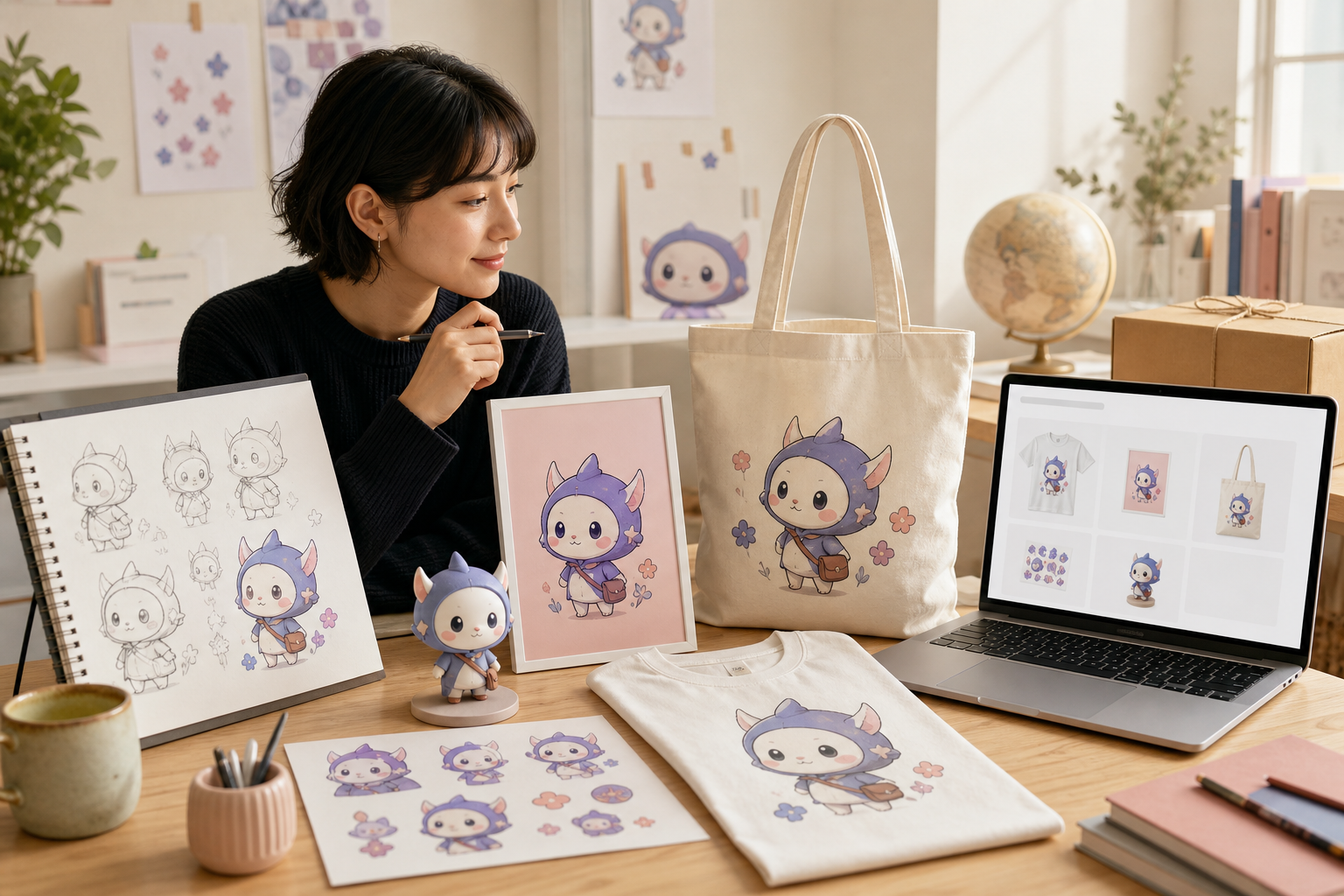
An original character may begin as a sketch or a story. But when people recognize it and want to own something connected to it, that character becomes intellectual property with commercial potential.
IP monetization helps illustrators, designers, VTubers, game creators, and independent studios earn beyond commissions, sponsorships, and platform revenue. Your character can become merchandise, a collectible, a licensed product, or the foundation of an independent brand.
The goal is not to place one image on dozens of products. It is to create products that make your IP feel more real.
What Is IP Monetization?
IP monetization means generating revenue from intellectual property that you own or have the right to use.
Creator IP can include:
- Original characters
- Illustrations and visual styles
- Stories and fictional worlds
- Names, symbols, and logos
- Patterns and graphic designs
Social media content attracts attention, but IP is the asset that can continue creating value.
A post may disappear from people’s feeds within days. A recognizable character can appear in new products, campaigns, and collaborations for years. Physical products also give fans a more tangible connection to the character and its world.
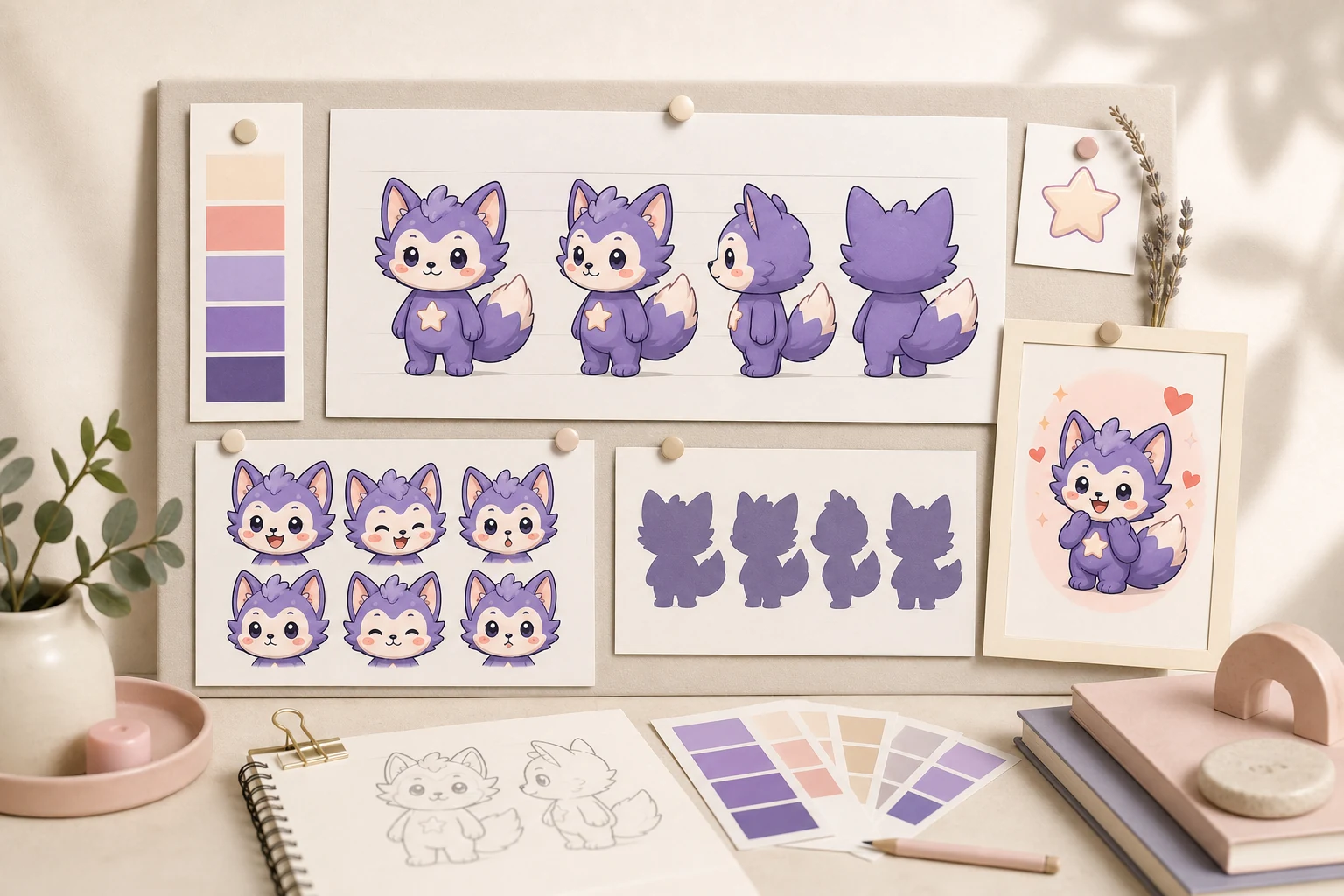
5 Ways to Monetize Your IP
There is no single IP monetization model that works for every creator. The right choice depends on your character, audience, and resources.
1. Physical merchandise
Apparel, bags, phone cases, mugs, posters, stickers, and accessories are accessible ways to turn visual IP into products.
Choose products that fit the character. A playful character may work well on colorful accessories, while detailed artwork may be better suited to premium prints.
2. Digital products and memberships
Creators can sell wallpapers, digital art packs, printable posters, emotes, avatars, and exclusive content.
Digital products are simple to test because they do not require physical inventory or shipping. Memberships can also offer fans early access, behind-the-scenes content, or exclusive artwork.
3. Licensing
Licensing allows another company to use your character or artwork under agreed terms.
Your IP may appear on a product, campaign, or branded collection. This can expand its reach without requiring you to manufacture every product yourself.
4. Brand collaborations
A collaboration connects your creative identity with another brand’s products, audience, or distribution network.
The strongest collaborations share a relevant audience, visual style, or story. The partnership should strengthen the character rather than make it feel disconnected from its original world.
5. Collectibles and your own store
Designer toys, figurines, signed prints, and limited editions can increase the value of an established character.
An independent store gives you control over product presentation, pricing, and brand development. Instead of selling unrelated items, you can create coordinated collections around your IP.
You do not need to use all five methods at once. Start with one focused offer, learn what your audience wants, and expand gradually.
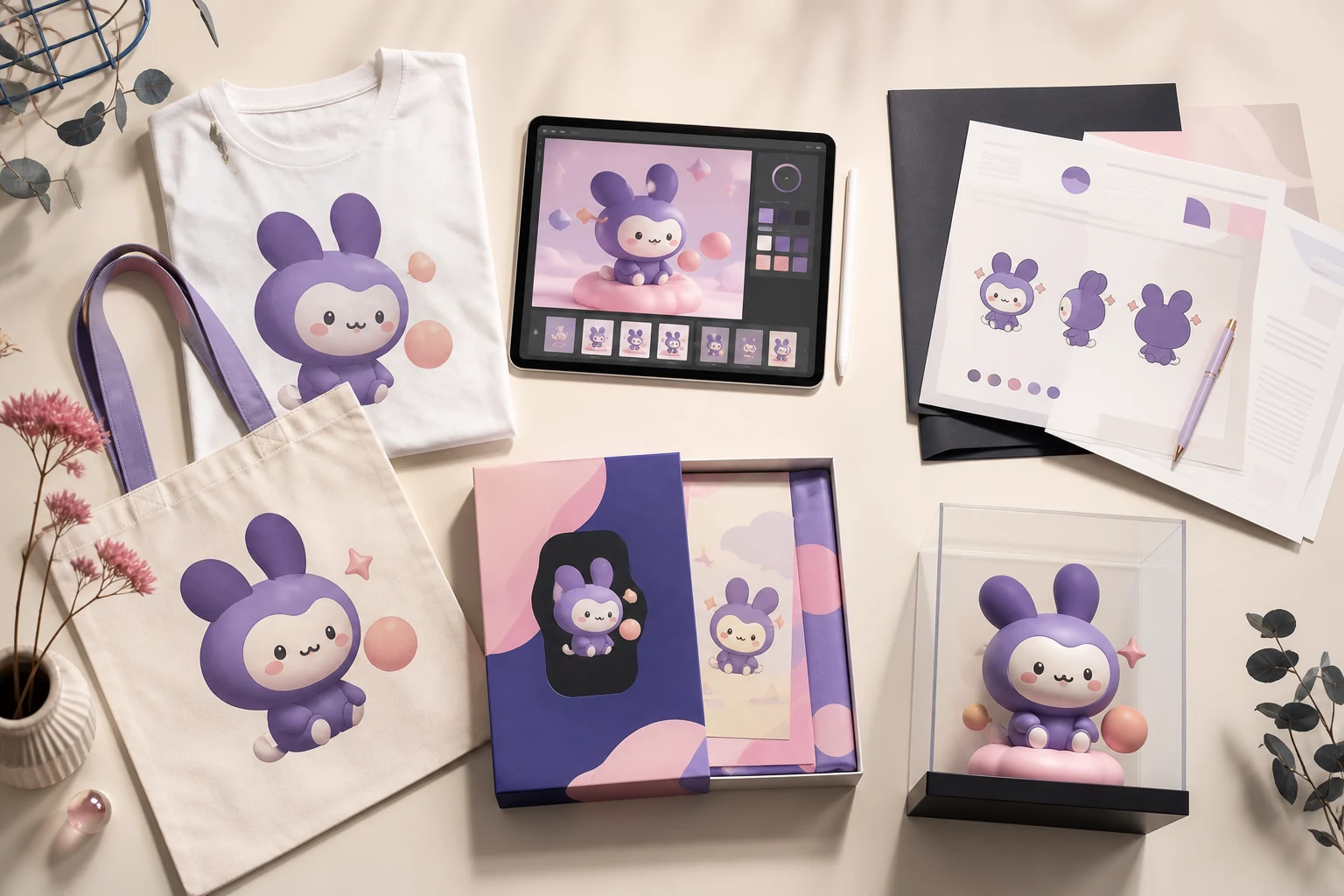
Choose the Right Model
When deciding how to monetize IP, ask three questions.
What does my audience love about the character?
Fans may connect with its appearance, personality, humor, message, or story. Your first product should preserve the quality that created that connection.
What would people naturally want to own?
Not every design belongs on a T-shirt. Some artwork works better as a print, while expressive characters may suit stickers, accessories, or collectibles.
Let the IP guide the product choice.
How much complexity can I manage?
Digital products and simple merchandise are easier to test. Licensing, international distribution, and collectible manufacturing require more coordination.
Choose a model that fits your current resources. You can add more revenue streams after building a reliable foundation.
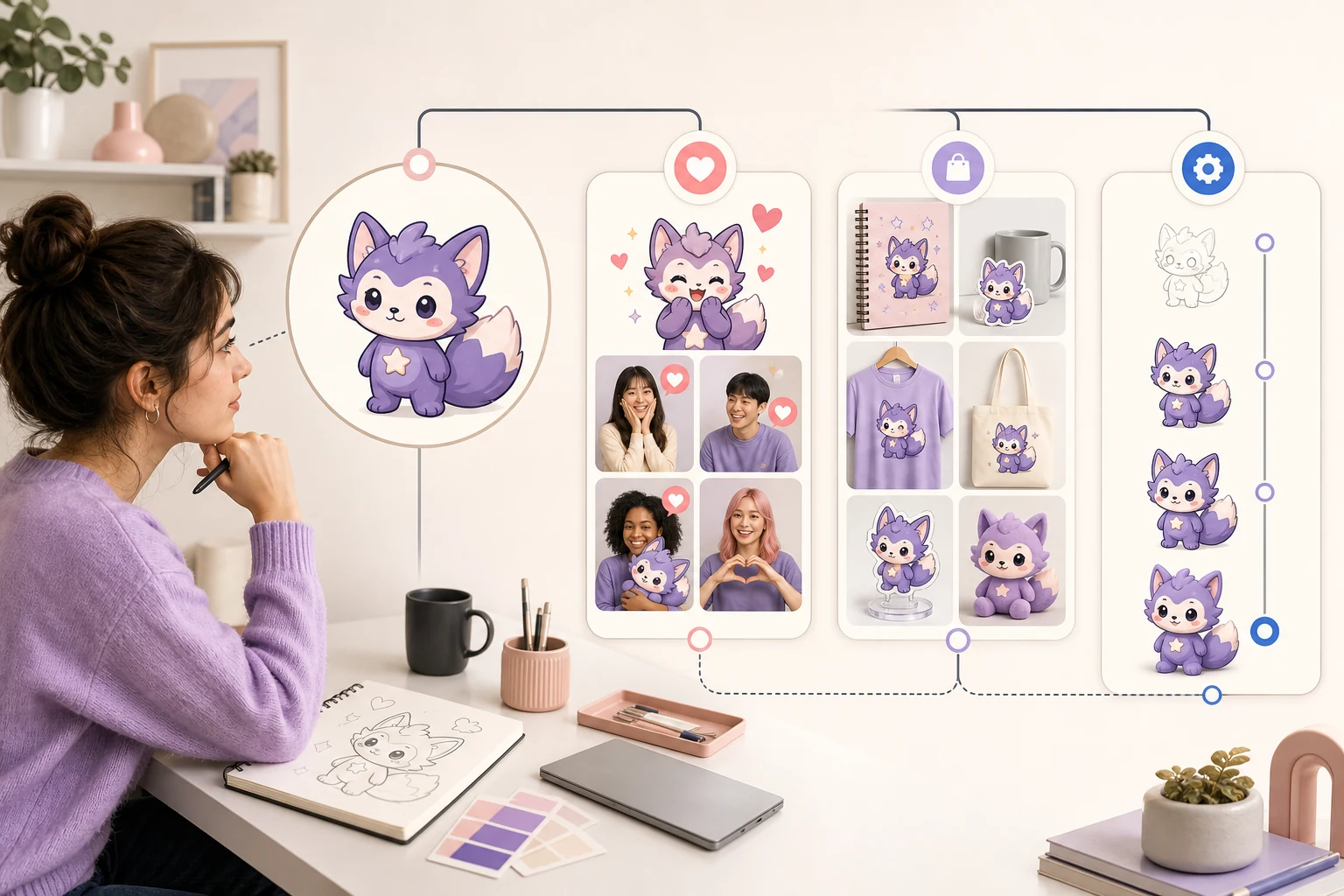
Turn Original Characters into Products
To monetize original characters effectively, begin with their most recognizable elements:
- Color palette
- Shape and silhouette
- Personality
- Signature objects or symbols
- Story and emotional tone
These elements help different products feel as though they belong to the same world.
Next, select a small number of suitable products. A comforting character may work well on apparel, mugs, and stationery. A detailed fantasy character may be better suited to art prints, figures, or premium collectibles.
The goal is to build a focused collection, not a random catalog.
Creators still need product mockups, images, descriptions, store pages, and fulfillment support. This is where IP commercialization often becomes difficult.
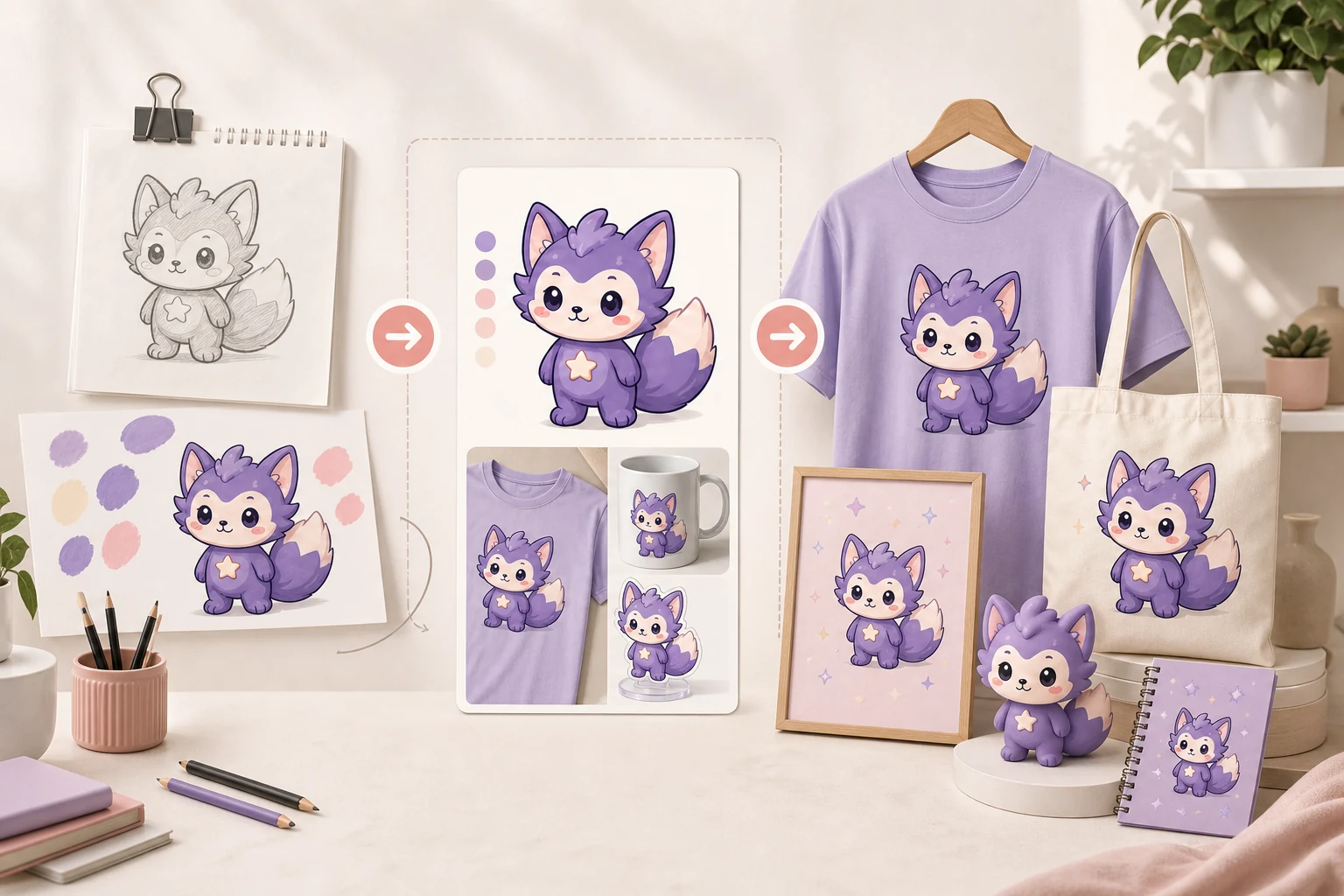
Genki helps connect these stages. Creators can begin with original artwork, explore product applications, generate product visuals and information, and prepare products for online selling.
The process becomes:
Original Character → Product Collection → Store Launch → Global Sales
Build for Long-Term Growth
Successful IP monetization rarely comes from launching dozens of products at once. It comes from learning what fans value and building on their response.
Start with a small collection and keep the character consistent across product visuals, descriptions, packaging, and social content.
Your first launch does not need to be perfect. Its purpose is to reveal what your audience wants.
One successful product can guide the next collection. Over time, your intellectual property business can expand into new merchandise, collectibles, collaborations, licensing opportunities, and global markets.
Ready to Start Your IP Monetization Journey?
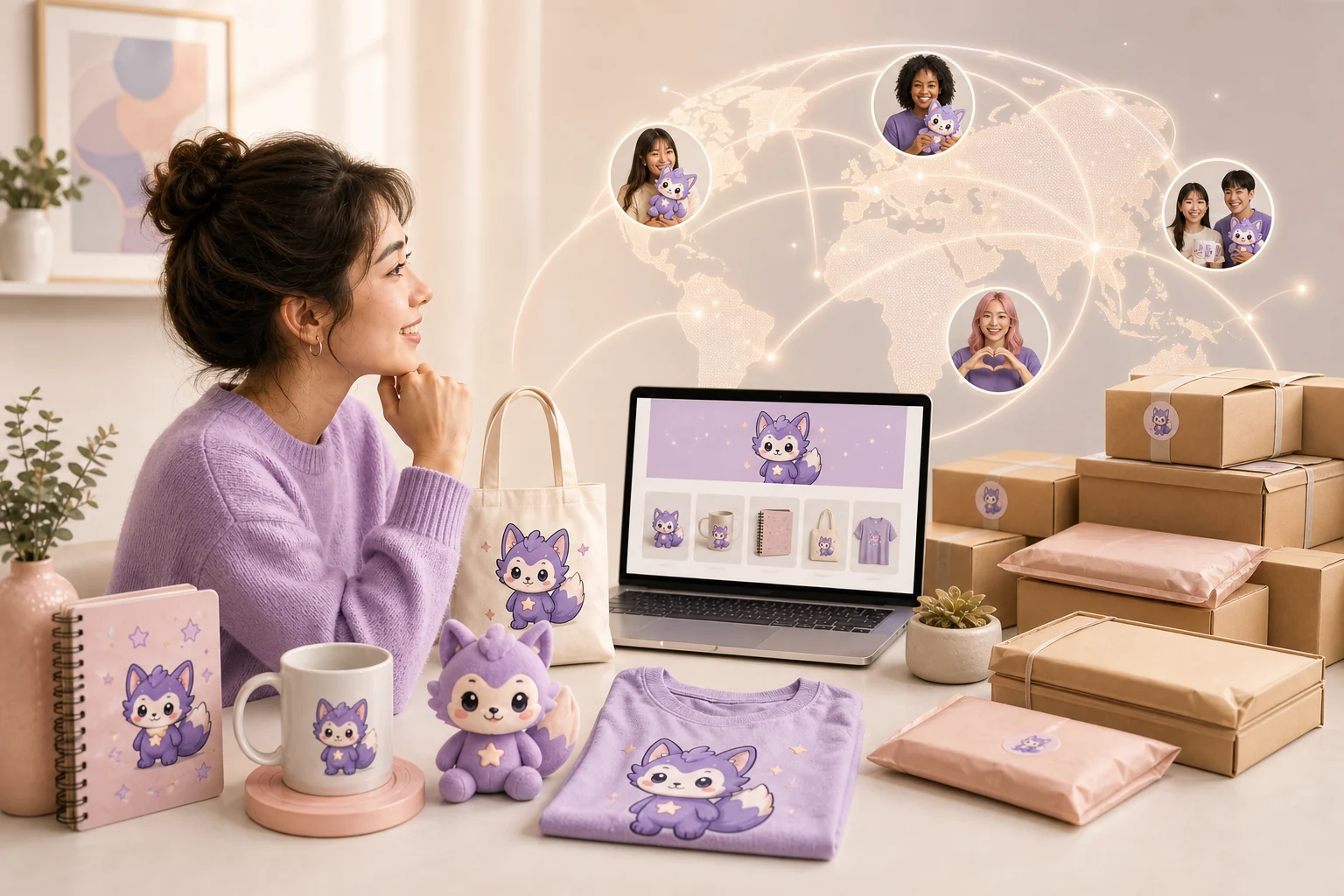
Your original character already has a story. Genki helps you turn that story into products, launch your store, and reach customers around the world.
Start creating with Genki.
Frequently Asked Questions
1. Do I need a large audience to monetize my IP?
No. A smaller, engaged audience can be more valuable than a large but passive following. Start with one product that reflects what your existing fans already love.
2. What is the easiest IP monetization method?
Digital products and simple merchandise are practical starting points. Prints, stickers, apparel, and accessories allow creators to test demand before developing more complex products.
3. Can Genki help me sell IP products globally?
Yes. Genki helps creators turn original artwork into product concepts, visuals, listings, and store content. It also supports product management and multi-channel distribution.