For many creators, sponsorships are one of the first meaningful ways to turn an audience into income. A brand pays for a Reel, YouTube integration, TikTok video, or product mention, and the creator gets paid for the reach and influence they have built. But sponsorships are also inherently unpredictable. Brand budgets change, campaigns come and go, and even creators with strong engagement can have months with fewer opportunities. Recent creator monetization discussions increasingly point toward the same solution: building multiple revenue streams instead of relying on a single source of income.
That does not mean abandoning sponsorships. Instead, creators can treat brand deals as one part of a larger creator monetization strategy. The more valuable question is no longer simply “How can I get more sponsors?” but “How can I monetize my audience in ways that I have more control over?” From affiliate marketing and digital products to memberships and merchandise, there are several ways to turn audience attention into a sustainable creator business.

1. Sell Digital Products Based on What Your Audience Already Wants
One of the simplest ways to monetize an audience is to package existing knowledge into a digital product. Creators can sell templates, presets, guides, ebooks, checklists, design assets, content calendars, or educational resources that solve a specific problem for their followers.
The key is relevance. A photography creator could sell Lightroom presets, while a fitness creator might offer workout plans and a design creator could sell editable templates. Instead of asking followers to support the creator simply because they like the content, digital products give them a clear reason to buy.
Digital products can also be highly scalable. Once the product is created, it can be sold repeatedly without the creator needing to produce a new sponsored post for every transaction. This makes digital products for creators particularly useful as a second revenue stream alongside sponsorships.
2. Use Affiliate Marketing to Turn Recommendations Into Revenue
If an audience regularly asks, “What camera do you use?” “Which software is that?” or “Where did you buy that?”, affiliate marketing can be a natural next step.
Instead of creating a product, creators recommend products or services they genuinely use and earn a commission when their audience makes a purchase through an affiliate link. Tutorials, product reviews, comparison videos, “what I use” posts, and resource pages can all support this model.
The important distinction is that successful affiliate marketing for creators is built around useful recommendations rather than random product links. When the product solves a problem already discussed in the content, monetization feels like part of the creator's expertise rather than an interruption.
3. Build Memberships for Your Most Engaged Followers
Not every follower wants to buy a product, but a smaller group of highly engaged fans may be willing to pay for deeper access. Memberships and subscriptions can turn that loyalty into recurring revenue through exclusive content, private communities, behind-the-scenes material, live sessions, early access, or members-only resources.
This model is especially attractive because recurring revenue can make a creator's income more predictable. Research on subscription revenue has also found that changes in creator subscription income can affect both content production and advertising behavior, highlighting how meaningful recurring audience support can become to creators.
The goal is not to create an exhausting list of perks. A sustainable membership might begin with one strong benefit that followers genuinely want and that the creator can consistently deliver.
4. Turn Your Creative Identity Into Merchandise
For creators with recognizable visual identities, characters, catchphrases, artwork, or communities, creator merchandise can be one of the most powerful ways to monetize an audience. A design that performs well as content can become a T-shirt, poster, phone case, tote bag, sticker, or other physical product.
This is where print-on-demand makes the process more accessible. Creators can test products without purchasing large quantities of inventory upfront, allowing them to experiment with designs and see what their audience actually wants before expanding a product line.
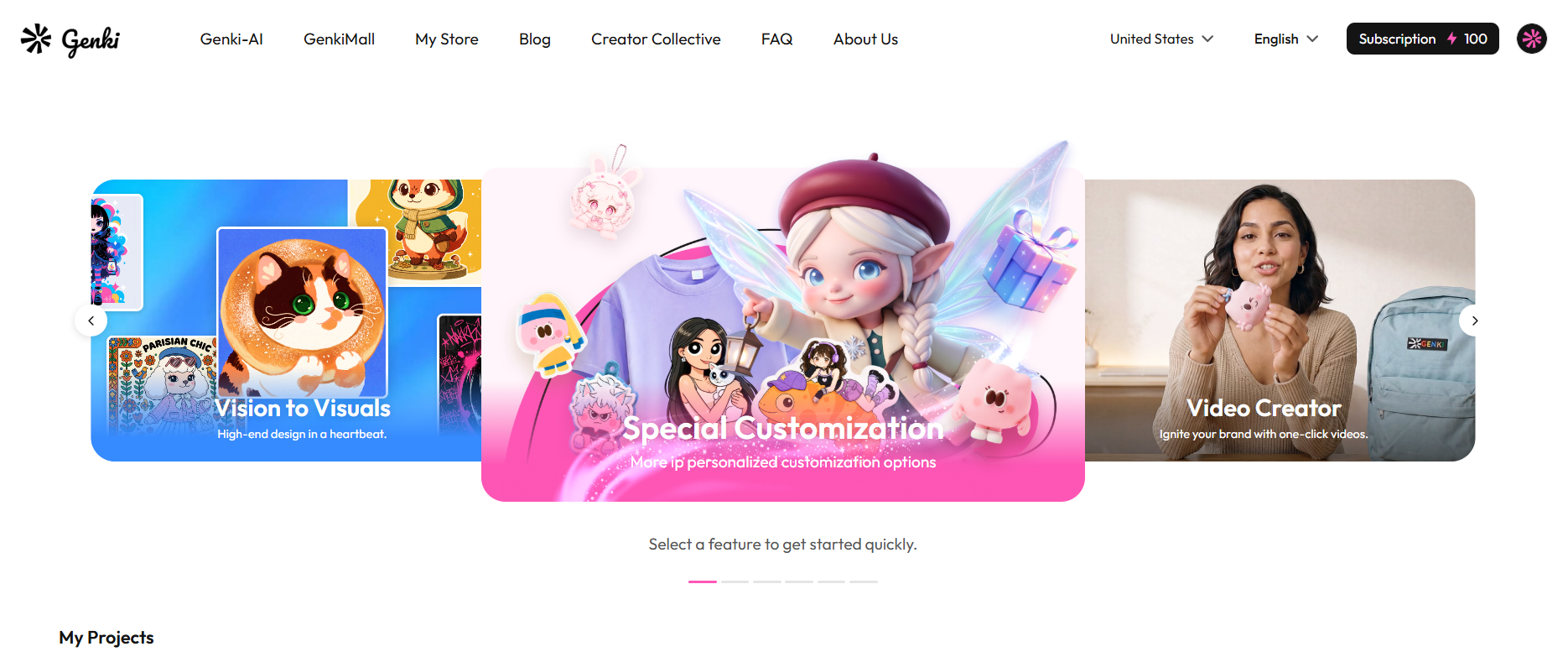
Platforms such as Genki can make this process more connected to the creator workflow. Instead of treating merchandise as a completely separate business, creators can turn their creative assets into products and then use their existing social channels to promote them. The result is a more direct path from content to product to customer.

5. Create Services Around Your Expertise
Your audience may also value your skills more than your products. Creators who have developed expertise in photography, editing, design, marketing, fitness, education, or another niche can monetize that knowledge through consulting, coaching, freelance services, workshops, or one-on-one sessions.
This can be particularly effective for smaller creators because services do not necessarily require millions of followers. A focused audience with a specific problem can be more valuable than a huge audience with little purchase intent.
Services can also help creators discover what their audience is willing to pay for. Repeated questions from clients can later become a course, template, guide, or other scalable product.
6. Build a Creator Business, Not Just a Creator Account
The biggest shift is thinking beyond individual monetization tactics. Sponsorships, affiliate links, memberships, digital products, services, and merchandise should not exist as disconnected experiments. They can work together as a creator revenue stack.
For example, a photography creator might publish free tutorials to attract an audience, recommend camera equipment through affiliate links, sell editing presets, offer paid workshops, launch photography merchandise, and work with selected brands. Each revenue stream comes from the same underlying asset: trust with a specific audience.
This approach gives creators more flexibility. If sponsorship opportunities slow down, product sales or memberships can continue. If a platform changes its algorithm, direct customer relationships become more valuable. Diversification does not eliminate risk, but it can reduce dependence on any single platform, brand, or campaign.
How Should Creators Start?
The biggest mistake is trying to launch everything at once. Start by looking at what your audience already responds to. What questions appear repeatedly in comments and DMs? Which posts generate the strongest engagement? What products or resources are followers already asking about? These signals can reveal which monetization model is most natural.
Then choose one additional revenue stream beyond sponsorships and test it. A creator with strong expertise might start with a digital product. A product-focused creator could test affiliate marketing. An artist with a recognizable style might experiment with merchandise. A community-driven creator may find memberships more appropriate.
The objective is not to turn every follower into a customer. It is to give different parts of your audience different ways to support your work.

Build More Than an Audience
An audience is valuable, but an audience alone is not a business. The strongest creator businesses increasingly connect content, community, products, and commerce into one ecosystem. Sponsorships can provide valuable income, but creators who build additional revenue streams gain more control over how they earn and what they create.
For creators ready to turn their ideas and visual identity into products, Genki offers a way to connect creative content with merchandise and commerce. Instead of waiting for the next sponsorship opportunity, you can start building something that belongs to your own creator business.
Your audience is more than a number. Turn attention into products, products into revenue, and your creativity into a business with Genki. Start building your creator commerce journey today.