For many creators, social media is where everything starts. You publish your work, grow an audience, collaborate with brands, and gradually build recognition around your name or creative style. But there is an important difference between having a large social following and building a real creator brand.
Your Instagram, TikTok, YouTube, or other social profiles are valuable channels for discovery, but they are not the entire business. Algorithms change, reach fluctuates, and audiences move between platforms. A strong creator brand goes further: it gives people a reason to remember your work, connect with your creative identity, and eventually become customers.
If the goal is to build a creator business, the question is no longer simply “How can I grow my followers?” It becomes “What can I build around the audience and creative identity I already have?”
Start With a Creative Identity, Not a Product
A creator brand does not have to begin with a logo, color palette, or product catalog. It starts with a recognizable point of view.
Think about what makes your work distinctive. It could be a particular illustration style, a character universe, a photography aesthetic, a sense of humor, a niche interest, or the way you tell stories. The strongest creator brands usually have something that audiences can recognize even before they see the creator’s name.
This creative identity becomes the foundation for a broader creative business. Instead of creating unrelated products simply because they are easy to sell, creators can ask a more useful question: “What products naturally belong in my world?”
For an illustrator, that could mean collectible figurines, wall art, decorative textiles, or character accessories. For a character creator, it might become a figurine collection, charms, display accessories, home decor, or even pet products. The goal is not to sell everything. It is to turn a recognizable creative idea into something people can experience beyond a screen.
Turn Content Into Something People Can Own
Content creates attention. Products can turn that attention into a deeper relationship.
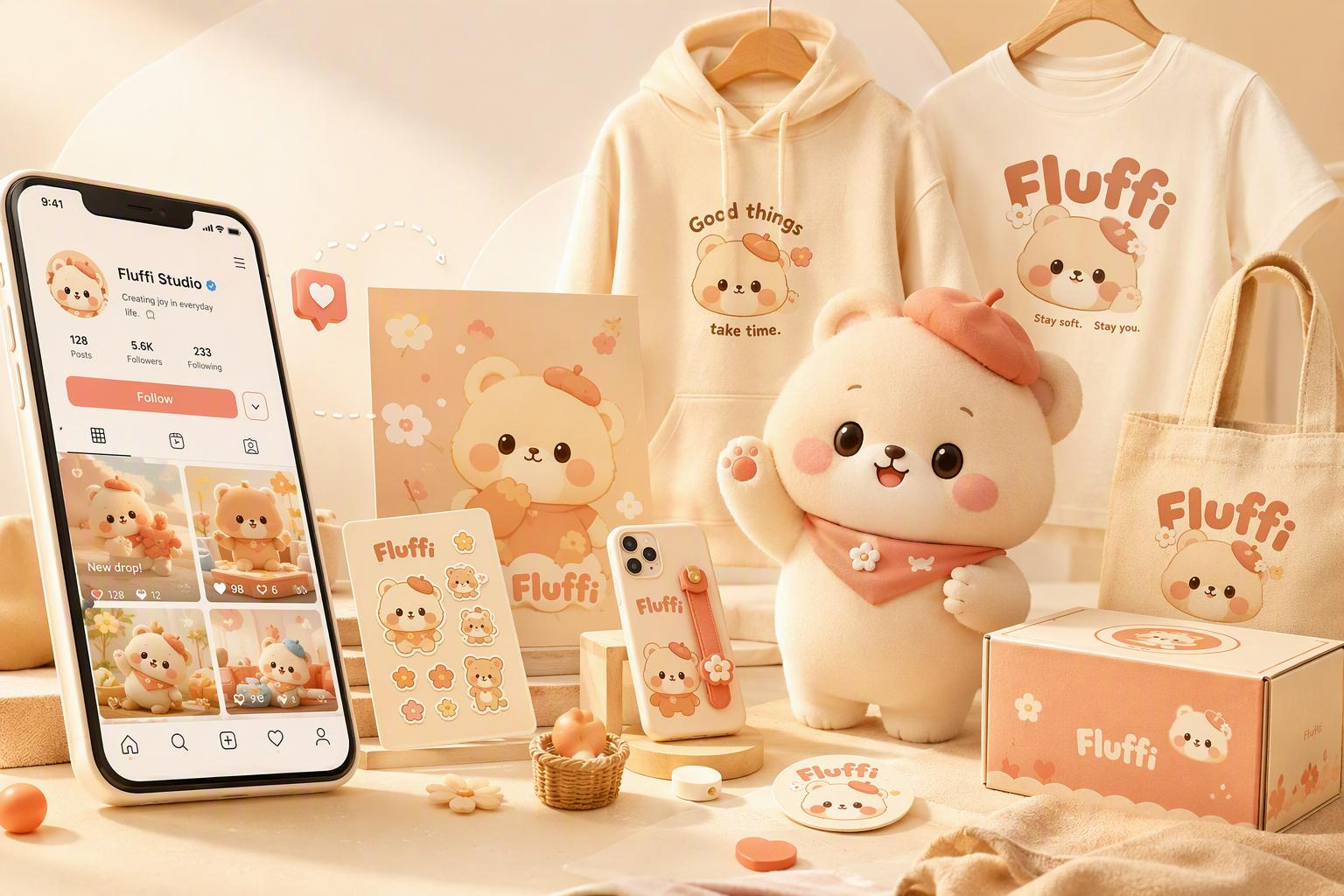
Imagine a creator who has developed a distinctive character through illustrations and short-form videos. The character may already have an audience, but the creative business can go further. That same character could become a collectible figurine, a display piece, a charm, a decorative cushion, or artwork for the home.
This is where the idea of a creator brand becomes much more powerful than a social media profile. The audience is no longer interacting with the creator only through posts. They can bring part of that creative world into their everyday lives.
Platforms such as Genki make this transition easier by giving creators a way to connect their creative work with physical products and commerce. Instead of treating product creation as a completely separate business, creators can explore how their existing content and IP can naturally become products that fit their audience.
Build Around Your Audience, Not Just Your Content
A common mistake when starting a creator business is asking, “What should I sell?”
A better question is, “What does my audience already care about?”
Your audience's reactions can reveal valuable signals. Which characters get the most attention? Which illustrations are repeatedly shared? Which themes generate comments? Which pieces do people ask about? These signals can help creators identify products that feel like a natural extension of their content rather than an interruption.
This also makes experimentation less intimidating. You do not need to launch a huge collection immediately. Start with a small number of products connected to your strongest creative ideas, see what resonates, and develop the ones that have genuine audience interest.
The advantage is that your creator business grows from something you already understand: your creative identity and the people who follow it.
Don't Build a Store That Looks Like Everyone Else's
Another important part of building a creator brand is consistency.
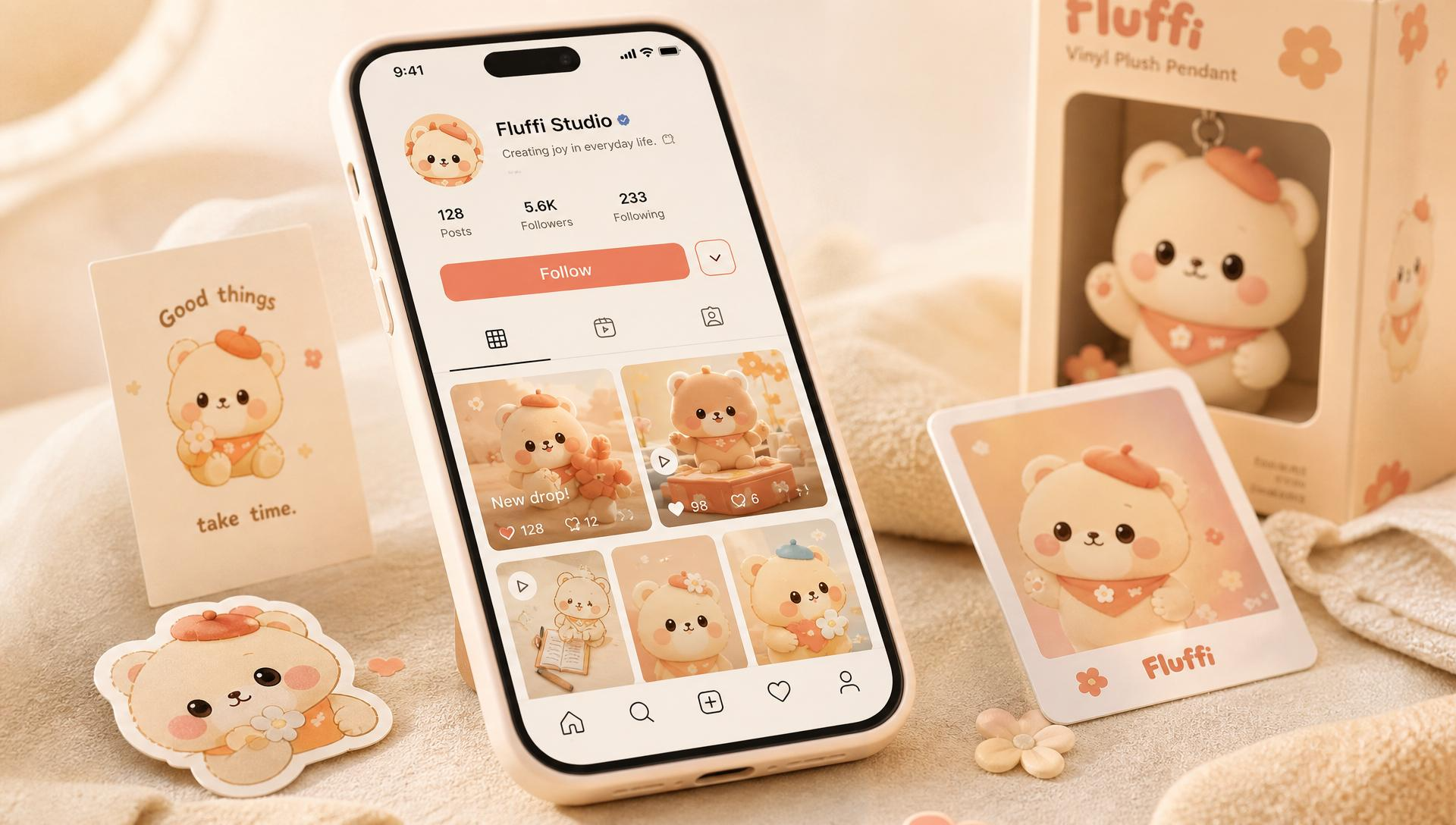
If your content has a distinctive visual language but your store looks like a generic online marketplace, part of that brand value disappears. Your product presentation, photography, packaging, product selection, and overall storefront should feel like they belong to the same creative world.
This does not mean everything needs to look identical. It means there should be a recognizable connection between what people discover in your content and what they see when they explore your products.
That connection can turn a product from “something with an illustration on it” into something that feels collectible, personal, and worth owning.
With Genki, creators can take this idea further by bringing their creative identity into a product-focused storefront rather than treating social media and commerce as completely separate activities.
Think Beyond One-Time Brand Deals
Sponsorships can be an important part of creator income, but they are only one possible component of a long-term business.
A brand partnership usually ends when the campaign ends. A creator-owned product, character, or visual identity can continue developing over time. That does not mean every creator needs to become a full-scale retailer. It means creators have the option to build assets they have more control over.
This is the real shift from creator to entrepreneur.
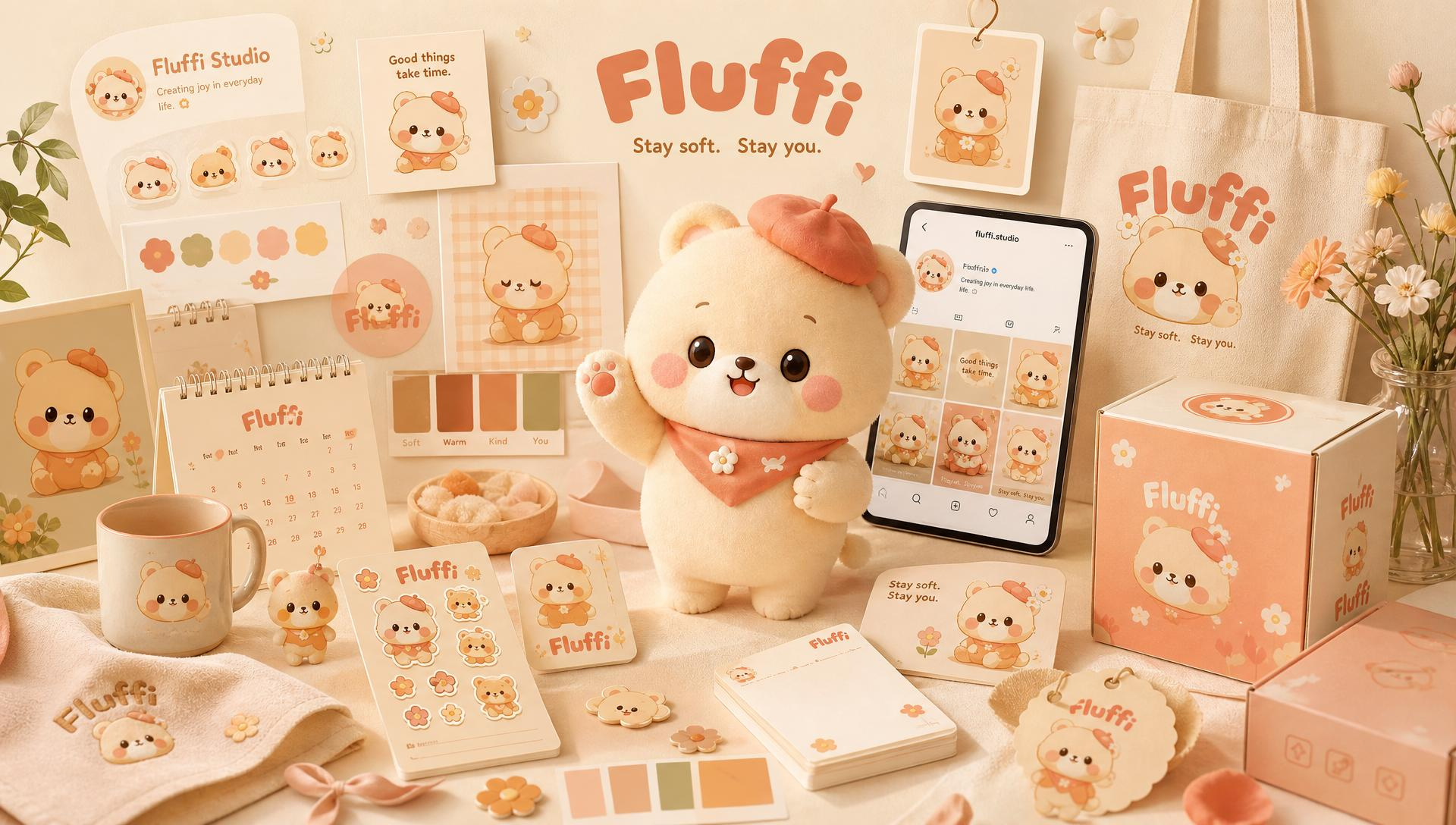
A successful creator entrepreneurship strategy is not necessarily about doing more work. It is about creating more ways for the same creative value to travel: from content to community, from community to products, and from products to a recognizable brand.
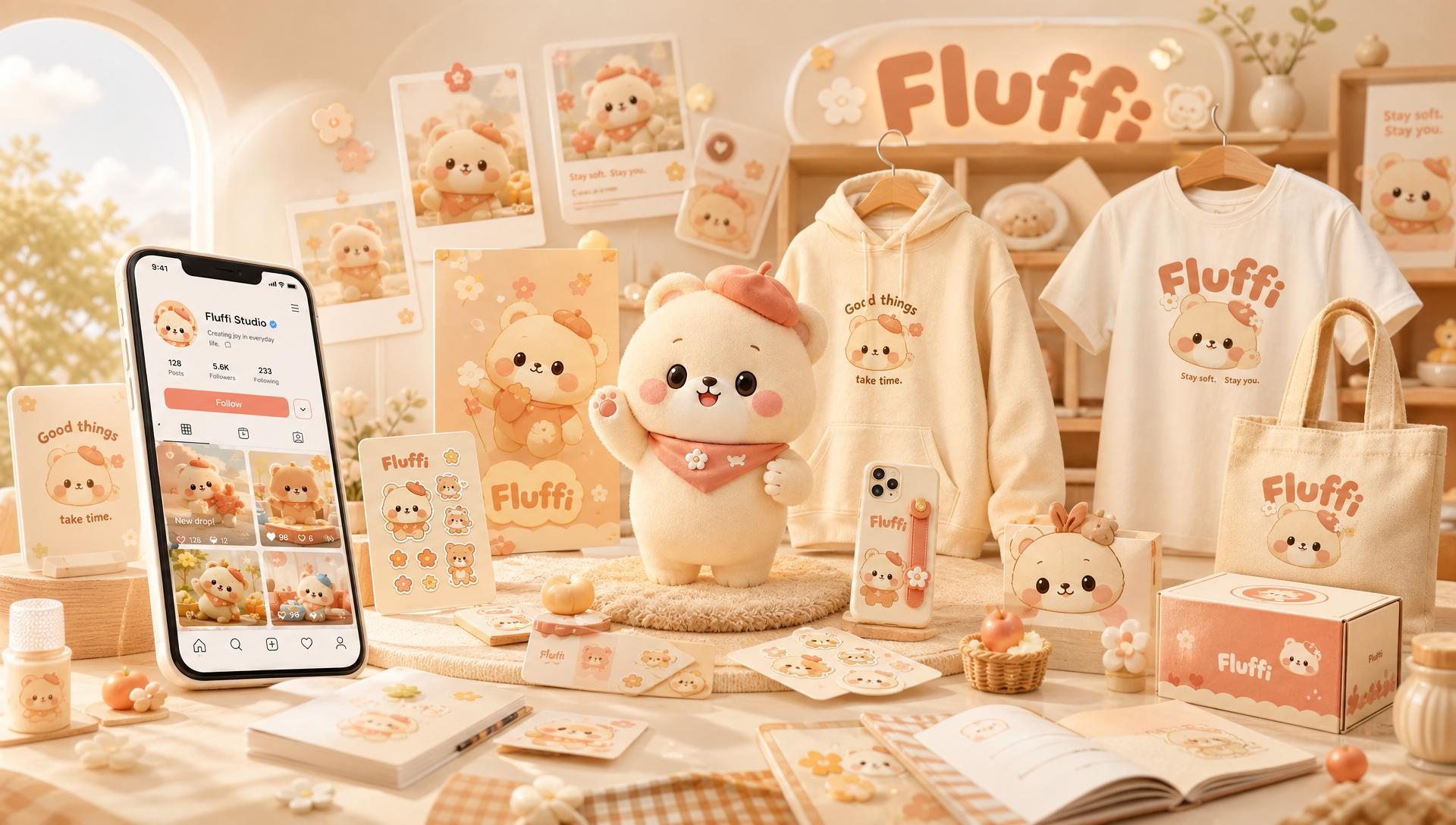
Build a Creator Business That Can Grow With You
The best creator brands are not built overnight. They evolve as the creator learns more about their audience and discovers which ideas have lasting potential.
Start with one recognizable creative identity. Build content around it. Listen to your audience. Test a few relevant products. Create a consistent shopping experience. Then expand the ideas that work.
You do not need to choose between being a creator and running a business. The opportunity is to connect the two.
Genki is built for creators who want to take that next step—from creating content to developing products and building a business around what makes their work unique. Instead of letting your creative ideas live only on social media, you can explore how they might become something your audience can actually own.
Q&A
Q1: Do I need a large following to build a creator brand?
Not necessarily. A smaller, highly engaged audience can be more valuable than a large but disconnected following. Start with the people who already understand and appreciate your creative style.
Q2: What should I sell as a creator?
Start with products that naturally fit your creative identity and audience. Depending on your niche, this could include figurines, accessories, home decor, textiles, art products, apparel, or pet products.
Q3: Is a creator brand the same as a personal brand?
They can overlap, but a creator brand is often more closely connected to the creator's creative work, visual identity, IP, products, and audience experience. It can continue to grow beyond the creator's social media presence.
Q4: How can I start building a creator business?
Start small. Identify your strongest creative idea, understand what your audience responds to, choose a few relevant products, and test the market before expanding.
🎉Build a creator brand that people can discover, remember, and experience beyond the screen—with Genki. Start turning your creative ideas into products and take the next step toward building your own creator business today.