For years, creator-brand collaborations followed a familiar formula: a brand paid a creator, the creator published a sponsored post, and the campaign ended. Simple, measurable, and increasingly limited.
Today, the creator economy is moving toward something more valuable: creator partnerships built around shared audiences, products, ideas, and long-term growth. A creator's value is no longer limited to the number of views they can generate. Their creative identity, community, original IP, and ability to influence purchasing decisions can all become part of a bigger business opportunity.
Platforms like Genki reflect this shift by connecting creator creativity with products and commerce, giving creators more ways to turn what they build into sustainable revenue.
But what does a creator partnership actually look like beyond a traditional sponsorship? Here are five models worth knowing.
1. Affiliate & Performance-Based Partnerships
Affiliate partnerships are one of the simplest alternatives to traditional sponsorships. Instead of receiving only a fixed fee for promoting a product, creators earn a commission when their audience makes a purchase.
The model is straightforward: Content → Click → Purchase → Commission
This works particularly well for creators whose audiences already rely on their recommendations, including beauty, fashion, technology, fitness, and lifestyle creators.
The biggest advantage is longevity. A sponsored post may generate value for a brand during a specific campaign period, while affiliate content can continue generating revenue weeks or even months after it goes live.
For creators, this means monetization doesn't always have to depend on negotiating another sponsored post. Their existing content can become an ongoing revenue stream.
2. Revenue-Sharing Partnerships
What happens when a creator becomes more than a promoter?
That's where revenue-sharing creator partnerships come in.
Instead of simply paying a creator to advertise an existing product, a brand and creator agree to share revenue generated from a collaboration. The creator may contribute audience access, creative direction, content, or product ideas, while the brand contributes manufacturing, operations, or other resources.
The relationship changes from: “We'll pay you to promote this.” to: “Let's build something that we both benefit from.”
This model can be particularly attractive for creators who have established communities but want more control over how their influence translates into income. Genki fits naturally into this creator-commerce shift by helping creators explore the connection between their content, products, storefronts, and audience.
3. Co-Created Products
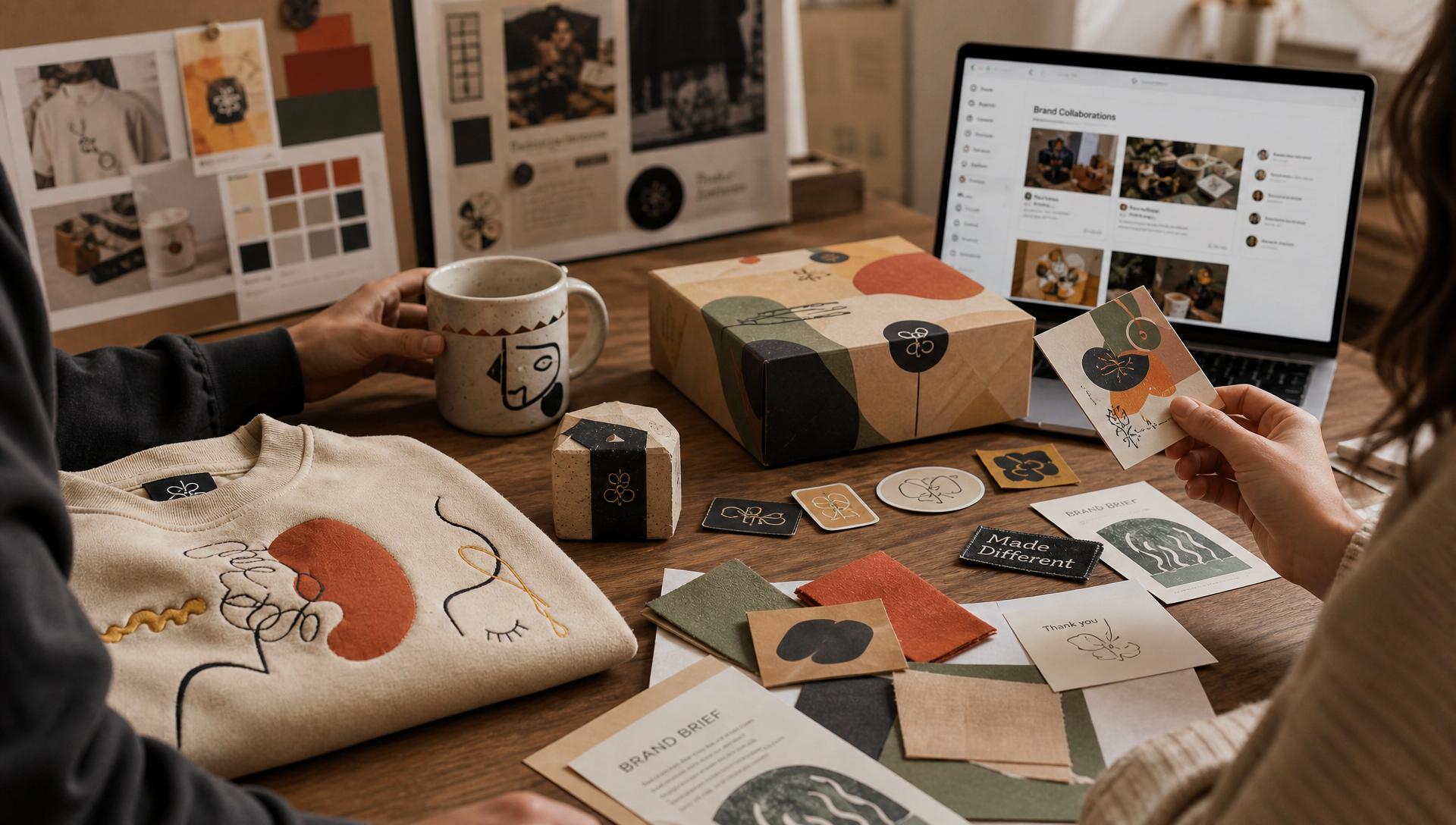
Perhaps the biggest evolution in creator partnerships is the move from **creating content about products to creating the products themselves**.
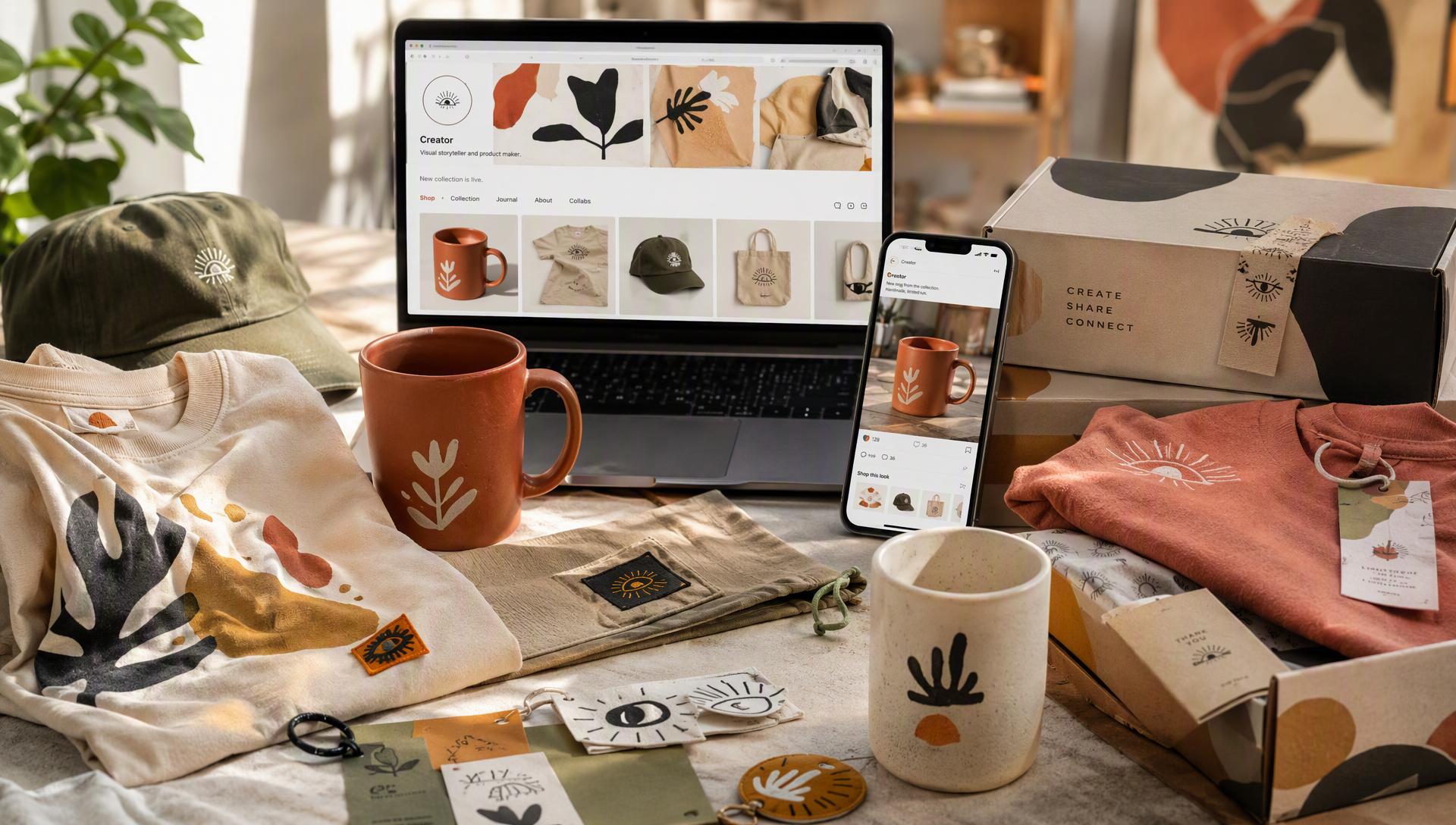
Imagine a creator working with a brand to develop a limited-edition collection, apparel line, accessories, artwork, or character-based merchandise. The creator brings their aesthetic and understanding of their audience; the brand brings production and operational capabilities.
The process becomes: Idea → Design → Product → Launch → Community
That difference matters. People aren't simply buying something because a creator recommended it. They may be buying because the product represents the creator's personality, story, or community.
This is one reason creator commerce is becoming increasingly interesting. Genki gives creators a path to explore products and merchandising as an extension of their creative identity rather than treating commerce as a completely separate activity.
4. IP & Brand Licensing Partnerships
Creators with recognizable original characters, illustrations, designs, or other intellectual property have another powerful option: IP licensing.
Instead of selling a single sponsored post, creators can license their original IP for products, collections, packaging, campaigns, or other commercial uses.
Think about the difference: Content has a campaign lifecycle. IP can keep creating value.
For artists, illustrators, character creators, and creators with distinctive visual worlds, licensing can turn creative assets into longer-term commercial opportunities.
It also changes the creator's role. They are no longer simply providing content to a brand. They are bringing an asset that can become part of the brand's product or customer experience.
For creators exploring this path, Genki can sit closer to the product side of the equation, helping connect original creative ideas with physical merchandise and ecommerce opportunities.
5. Long-Term Strategic Creator Partnerships
The most mature creator partnerships may not look like campaigns at all.
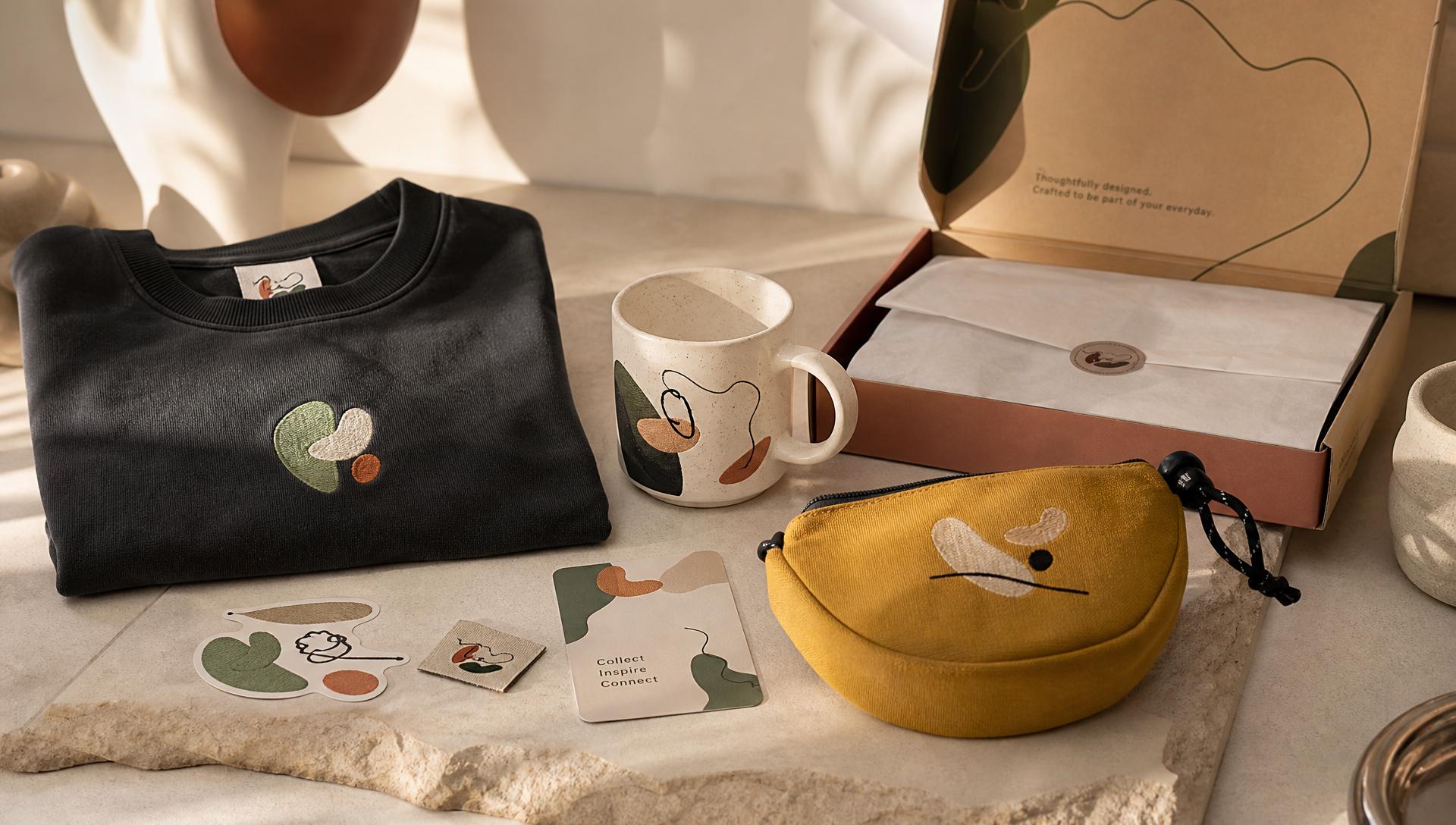
A brand and creator might work together across product launches, content, merchandise, community activities, seasonal campaigns, and new product experiments. Instead of negotiating every collaboration from scratch, both sides build a relationship around shared goals.
This model offers something a one-off sponsorship rarely can: compounding trust.
The creator understands the brand better. The brand understands the creator's audience better. Content becomes more authentic, product ideas become more relevant, and both sides can learn from each collaboration.
This is where Genki becomes especially relevant to the broader creator economy: the opportunity is not simply to help creators publish content, but to connect creativity, products, and commerce as parts of the same business journey.
| Model | Core Idea | Best For | Value Created |
|---|
| Affiliate | Promote & earn | Niche creators | Sales |
| Revenue Sharing | Collaborate & split | Engaged creators | Shared revenue |
| Co-Created Products | Build together | Creative creators | Products |
| IP Licensing | License original IP | Artists & IP owners | Royalties |
| Long-Term Partnerships | Grow together | Established creators | Long-term value |
How Should Creators Choose the Right Partnership Model?
There isn't one universally best creator partnership model. The right choice depends on what a creator already has.
If you have a highly engaged niche audience, affiliate or revenue-sharing partnerships can be a good starting point.
If your audience strongly connects with your creative style, co-created products may offer more upside.
If you have original characters, artwork, or a recognizable creative universe, IP licensing can open another layer of monetization.
And if you've already built a strong audience and business identity, a long-term strategic partnership may be more valuable than a series of unrelated sponsorships.
The key question isn't simply, “How much will this collaboration pay?”
It's: “What value am I helping create, and how much of that value can I participate in?”
Creator Partnerships FAQ
✨What is a creator partnership?
A creator partnership is a collaboration between a creator and a brand that goes beyond a one-time sponsored post. It can involve affiliate sales, revenue sharing, co-created products, IP licensing, or long-term commercial collaboration.
✨Are creator partnerships better than sponsorships?
Not necessarily. Sponsorships can still be useful for short-term campaigns and predictable income. However, partnerships can offer creators more opportunities to participate in the value generated by their audience, creativity, and intellectual property.
✨How can creators make money beyond sponsorships?
Creators can explore affiliate marketing, revenue sharing, product collaborations, merchandise, IP licensing, and long-term brand partnerships. The best model depends on their audience, creative assets, and business goals.
✨Why are co-created products becoming popular?
Because they combine a creator's audience and creative identity with a product people can actually own. Instead of simply promoting a brand, creators can become part of the product story itself.
The Future of Creator Partnerships
Sponsorships aren't disappearing. They're simply becoming one option among many.
The creator economy is moving from “creator as media” toward “creator as business.” Audiences, creativity, IP, products, and community can all become parts of the same ecosystem.
The most interesting creator partnerships won't necessarily be the ones with the biggest upfront payment. They may be the ones that give creators a meaningful role in building something that continues to create value after the campaign ends.
👉 Genki is built for creators who want to explore that next step—from creative ideas and original IP to products, merchandising, and ecommerce. If you're ready to move beyond simply getting paid to post, it's time to start thinking about what you can build.